
From the Garden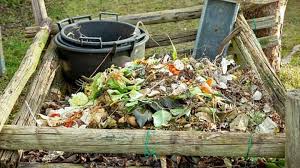
Soil & Nutrition6 min read21 April 2026
Composting 101: Turn Kitchen Scraps Into Garden Gold
A simple home compost pile can cut waste and enrich your soil. Learn what to add, what to avoid, and how to speed up the process.
Why compost matters
Compost improves every soil type. It loosens heavy clay soils, helps sandy soils hold moisture, and feeds soil microbes that make nutrients available to plant roots. A well-fed compost pile can produce usable compost in as little as 6 weeks in a warm climate like Kenya's.
What to add — the green and brown balance
Green materials (nitrogen-rich): vegetable peels, fruit scraps, fresh grass clippings, coffee grounds, tea leaves.
Brown materials (carbon-rich): dry leaves, cardboard, newspaper, maize stalks, wood ash in small amounts.
Aim for roughly two parts brown to one part green by volume. Too much green and the pile gets slimy and smelly. Too much brown and it breaks down too slowly.
What to keep out
- Meat, fish, and dairy — attract rats and produce bad odours
- Diseased plant material — can spread pathogens back to your garden
- Citrus in large amounts — slows decomposition
How to speed it up
Turn the pile every 7–10 days to introduce oxygen. Microbes need air to work efficiently. Keep the pile as moist as a wrung-out sponge — too dry and decomposition stalls, too wet and it goes anaerobic.
Chop or shred materials before adding them. Smaller pieces decompose faster because there is more surface area for microbes to work on.
How to know it's ready
Finished compost is dark brown, crumbly, and smells like fresh earth — not like rotting food. You should not be able to identify the original materials. Spread 3–5 cm over your beds and work it lightly into the top layer of soil before planting.